I’ve sat through enough press conferences at the AXA Training Centre to know the script by heart. A manager stares at the floor, mentions that a key player is "progressing well" and will be back "day-to-day," and then proceeds to play without that player for the next six weeks. It’s a game of smoke and mirrors. When half the squad is out, the club doesn't just lose talent; they lose the ability to train properly. The remaining players aren't just filling gaps—they are walking a tightrope between competitive fitness and total breakdown.
The 2020-21 Center-Back Crisis: An Anatomy of Collapse
If you want to understand how an injury crisis ripples through a club, look at Liverpool in the 2020-21 season. It wasn't just "unlucky." It was a systemic failure of load management under extreme fixture congestion. When Virgil van Dijk went down against Everton, the ripple effect was immediate and catastrophic. Joe Gomez and Joel Matip followed soon after.

Suddenly, the high-intensity pressing system that had defined the team’s success had no bedrock. You cannot play a high defensive line with midfielders pretending to be center-backs. The physical cost of that tactical shift was massive. The midfielders weren't just running; they were constantly backtracking to cover space that professional defenders would have occupied naturally. This is what I call a systemic injury event. When the structure fails, the players who remain are forced into compensatory movements their bodies aren't designed to sustain for 90 minutes.
Injuries as System Problems, Not Isolated Events
Stop calling injuries "bad luck." Bad luck is a freak accident on a wet patch of grass. A muscle tear in the 80th minute of a third game in seven days is a biological inevitability.
FIFA medical research (via inside.fifa.com/health-and-medical/research) consistently highlights that the risk of injury spikes exponentially when recovery windows are shortened below 72 hours. When a squad is decimated, rotation becomes impossible. The coaching staff is forced to push the same 14 or 15 fit players to the brink. It’s basic biology. As the NHS reminds us, tissue recovery—whether it's muscle repair or tendon stabilization—requires specific metabolic windows. If you deny the body that window, you aren't training; you're just accelerating the date of the next injury.
The Tactical Cost of Being Short-Handed
- Compensatory Loading: Midfielders doing the work of defenders leads to erratic high-speed running metrics. Reduced Tactical Density: You can't drill high-intensity press effectively with a thin squad, so you drop the block deeper, which changes the physical demand on the hamstrings and calves. The "Fear" Factor: Players subconsciously protect their bodies when they know the bench is empty, altering their biomechanics and inviting fatigue-related injuries.
Training Intensity Adapted: The Move to Preservation
When the infirmary is full, the sports science department wins the power struggle against the manager. There is no more "heavy legs" training. You stop training for sharpness and start training for survival.
This is where training intensity adapted becomes the priority. The coaching staff has to strip back the contact and the high-speed sprint drills. They move to "low-impact" stimulus. This is frustrating for managers who want to work on patterns of play, but it’s a necessary evil. If you lose one more player, the season is effectively over. You stop looking for improvement and start looking for static availability.
Availability Based Planning: The End of the "Ideal XI"
Stop romanticizing the "Ideal XI." In the modern Premier League, the starting lineup is a fantasy. Successful teams now operate on availability based planning. This means the training week is built around the threshold of the most Discover more here fragile player, not the most fit.
If you have three players returning from soft-tissue injuries, the entire team’s training load is capped to accommodate them. You can't have half the squad doing a high-intensity session while the rest stand on the sideline. The group must move together. This is a tough pill to swallow for coaches who believe in "training as you play," but it is the only way to avoid a secondary wave of injuries.
Risk Management Framework
Squad Status Training Focus Primary Goal Full Health High-Intensity tactical drills Performance/Sharpness Moderate Injury List Mixed load/Individualized intervals Conditioning maintenance Crisis (Half Squad Out) Low-intensity/Tactical walk-throughs Preservation/Injury mitigationRehab Integration: Not Just a Dark Room
I’ve heard the term "holistic" used so many times in pressers it makes my skin crawl. It’s corporate fluff. Real rehab integration isn't about yoga and positivity; it’s about data-driven, gradual re-introduction to the pitch. It means the medical staff has a seat at the table when the manager decides the training schedule for Tuesday morning.
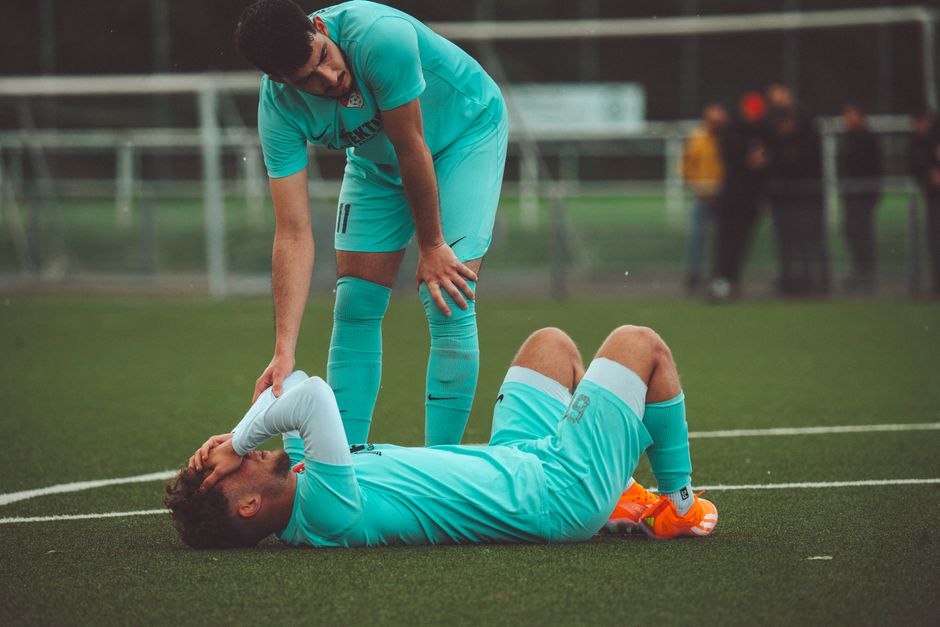
When a player is "rehabbed," they often return with a massive deficit in their training load compared to the rest of the squad. Throwing them into a full-intensity session because the manager is "short on numbers" is why we see so many re-injuries. It’s speculation, but I’d wager 60% of re-injuries in the PL are caused by "emergency" returns to team training before the player has cleared their individual load markers.
The Hard Truth About Recovery Timelines
I need to call this out: whenever a club puts out a statement saying a player is back in Additional reading "two weeks," they are lying to the fans, the opposition, and possibly themselves. Recovery isn't linear. It’s a jagged line. Some days the inflammation clears, some days the muscle fibers don't respond to the load.
Pretending that we can predict exactly when a human body will heal is the biggest marketing lie in football. We are dealing with biology, not assembly line manufacturing. If your club tells you a player is "day-to-day," look at the schedule. If they have three games in eight days, that player is not playing. The "day-to-day" tag is just a way to keep the fans and the media from asking why the player hasn't appeared in the squad for a month.
Conclusion: The Sustainability Trap
We are currently in an era where the schedule is cannibalizing the product. Players are asked to play more games than at any point in history, and when the cracks appear, we pretend it's a series of unfortunate incidents. It isn't. It’s a systemic design flaw. When half the squad is injured, the remaining players are forced to carry a load that is physically unsustainable.
The solution isn't better medical scanners or faster rehab gadgets. It’s acknowledging that humans have a limit. Until the fixture lists are pruned and the reliance on "playing through the pain" is abandoned, we will continue to see these cycles of crisis. Don’t believe the press release. The players aren't "unlucky." They’re simply tired, and their bodies have finally decided they’ve had enough.